Gesproken tekst vertalen, offlinefuncties, synoniemen, vervoegingen, educatieve spelletjes
Publiciteit
Registreer gratis: toegang tot meer resultaten en functies
shell

View images
Vertaling van "shell" in Roemeens
Vervoegen
She cracked the hard shell to reach the tasty nut inside.
A spart coaja tare ca să ajungă la nuca gustoasă dinăuntru.
He cracked the shell to reveal the soft fruit beneath.
A crăpat coaja ca să scoată la iveală fructul moale dinăuntru.
The snail carries a spiral shell on its back for protection.
Melcul își poartă pe spate o cochilie în spirală, care îl apără.
She ordered a dozen oyster on the half shell for dinner.
La cină, ea a comandat o duzină de stridii servite în cochilie.
She noticed a sharp claw sticking out of the lobster's shell.
Ea a observat un clește ascuțit ieșind din carapacea homarului.
She practiced cracking a lobster shell to get the meat inside.
Ea a exersat să spargă carapacea de homar ca să ajungă la carne.
The crab's shell is thick and helps defend against predators.
Carapacea crabului este groasă și îl ajută să se apere de prădători.
A marine turtle's shell protects it from predators beneath the sea.
Carapacea unei ţestoase marine o apără de prădătorii din adâncuri.
The fragile shell will easily shatter under the slightest pressure.
Coaja aceea fragilă se va sfărâma imediat la cea mai mică presiune.
A snail's shell protects it from predators and harsh weather conditions.
Cochilia unui melc îl protejează de prădători și de vremea rea.
The river crab's shell was smooth and had a greenish tint.
Carapacea racului de râu era netedă și avea o nuanță verzuiă.
He squeezed the nutcracker to crack the hard shell quickly.
A strâns cleştele de spart nuci şi a crăpat rapid coaja tare.
The oyster's shell was rough but protected the tasty meat inside.
Coaja stridiei era aspră, dar proteja carnea gustoasă din interior.
 Ga naar Premium voor toegang tot miljoenen vertaalvoorbeelden, onbeperkt woorden opslaan en leren, zonder advertenties.
Images of shell
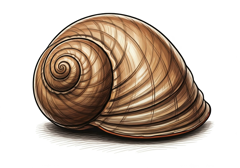
carapace
cochilie
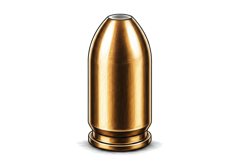
proiectil
obuz
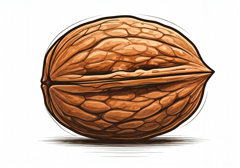
coajă
carapace

structură
carcasă

barcă de canotaj
barcă ușoară
Uitdrukkingen met shell: voorbeelden en bijbehorende vertalingen in het Roemeens
! come out of one's shell v.
a ieși din carapace
"After joining the drama club, he began to come out of his shell."
empty shell n.
înveliș gol
"After the storm, the beach was covered in empty shells."
just an empty shell n.
o cochilie goală · o carcasă goală
"After the tragedy, he felt like just an empty shell."
! crawl into one's shell v.
a se închide în sine
"After the argument, he crawled into his shell and avoided everyone."
go into one's shell v.
a se retrage în carapacea sa
"After the argument, he went into his shell."
! out of one's shell adj.
a ieși din carapacea sa
"After joining the club, she came out of her shell."
! out of your shell adj.
"After a few weeks, Maya was finally out of her shell at meetings."
retreat into one's shell v.
a se retrage din interacțiunile sociale
"She tends to retreat into her shell when she's feeling overwhelmed."
shell game n.
alba-neagra · joc de alba-neagra
"He lost money playing the shell game at the fair."
! shell out v.
a scoate bani · a plăti
"He had to shell out $500 for the unexpected car repair."
! withdraw into one's shell v.
a se retrage în carapacea sa
"After the argument, he began to withdraw into his shell."
withdrawn into one's shell adj.
retras în sine · timid
"After the incident, he became withdrawn into his shell and rarely spoke to anyone."
shell of a man n.
umbră de om · epavă umană
"After the tragedy, he became a shell of a man."
shell shock n.
șoc de război · traumă de război
"Many veterans from World War I suffered from shell shock after returning home."
retire into a shell v.
a se retrage în carapacea sa
"After the argument, he retired into a shell."
retire into one's shell v.
a se retrage în sine
"After the argument, he retired into his shell."
shell corporation n.
societate de tip fantomă
"The shell corporation had no employees or real office."
shell firm n.
firmă de tip scoică
"The investigation revealed it was a shell firm."
I'm just an empty shell n.
"After the loss, I'm just an empty shell with no joy left."
oyster shell n.
coajă de stridie · carapace de stridie
"The oyster shell protects the soft body inside."
Ga naar Premium om alle uitdrukkingen te bekijken, onbeperkt woorden op te slaan en te leren op al je apparaten, zonder advertenties.
Synoniemen voor shell in het Engels
Woord & uitdrukking van de dag
Afbeelding van de dag
Suggesties
shell company
2660
empty shell
1530
shell corporation
1110
shell-shocked
1040
shell game
800
shell casings
3510
shell casing
2360
shell out
1510
Resultaten: 10592. Exact: 10592. Verstreken tijd: 50 ms.
